-3508x955.png "Golden Rose Cosmetics")
Το contouring είναι μια τεχνική μακιγιάζ που χρησιμοποιείται για να τονίσει και να διαμορφώσει τα χαρακτηριστικά του προσώπου. Αυτή η μέθοδος σας επιτρέπει να αλλάξετε την εμφάνιση του προσώπου εφαρμόζοντας πιο σκούρες ή πιο ανοικτές αποχρώσεις προϊόντος σε συγκεκριμένες περιοχές. Όταν εφαρμόζεται σωστά, το μακιγιάζ περιγράμματος μπορεί να δημιουργήσει πιο έντονα ζυγωματικά, μια πιο λεπτή μύτη και μια πιο καθορισμένη γραμμή στο σαγόνι. Τα προϊόντα περιγράμματος χρησιμοποιούνται για να τονίσουν και να αναδιαμορφώσουν τα χαρακτηριστικά του προσώπου.
Εφαρμόζονται συνήθως στα κάτω ζυγωματικά, στη γραμμή του
σαγονιού, στο άνω μέτωπο και πλάγια της μύτης. Όταν εκτελούνται σωστά, αυτές οι
τεχνικές προσθέτουν διάσταση και βάθος στο πρόσωπο, καθιστώντας τα
χαρακτηριστικά του προσώπου πιο καθορισμένα.
Η επιλογή των σωστών προϊόντων contouring είναι το κλειδί για ένα επιτυχημένο μακιγιάζ. Υπάρχουν διαφορετικά προϊόντα που μπορείτε να χρησιμοποιήσετε για contouring. Διατίθενται σε κρεμώδη μορφή, υγρού ή σκόνης, το ποιο θα επιλέξετε εξαρτάται από τον τύπο του δέρματός σας και τις προσωπικές σας προτιμήσεις.
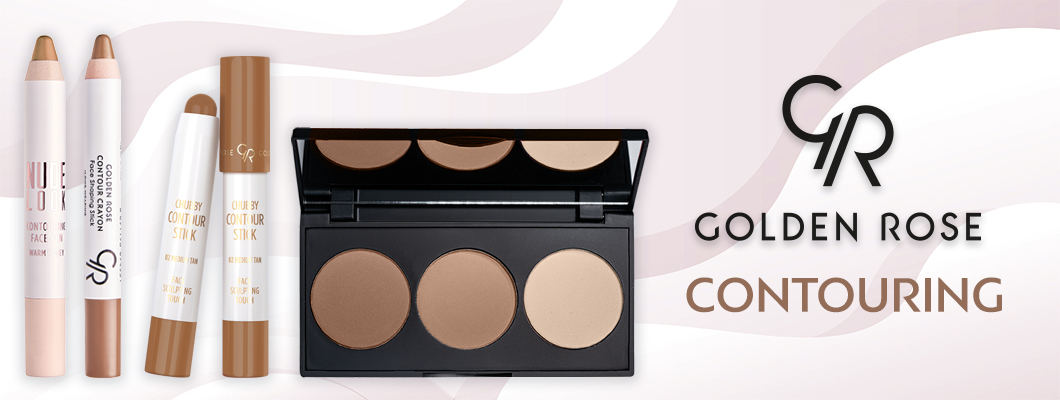
H Golden Rose διαθέτει μεγάλη γκάμα προϊόντων για contouring όπως το Contour Crayon, Chubby Contour Stick, Contour Powder Kit, Nude Look Contouring Face Pen, Stick Foundation Νο09.
Χρησιμοποιώντας τις σωστές τεχνικές και υλικά για να ορίσετε τα χαρακτηριστικά του προσώπου σας, το μακιγιάζ περιγράμματος μπορεί να σας βοηθήσει να πετύχετε την εμφάνιση που επιθυμείτε. Η εκμάθηση των μυστικών του contouring μπορεί να σας βοηθήσει να νιώσετε καλύτερα και να επιτύχετε μια πραγματικά ξεχωριστή εμφάνιση.
Πού να εφαρμόσετε το Contouring: Γραμμές και περιοχές
προσώπου
Το contouring
ενισχύει τα χαρακτηριστικά του προσώπου, επιτυγχάνοντας μια πιο ισορροπημένη
και συμμετρική εμφάνιση. Το contouring
εφαρμόζεται συνήθως σε τρεις κύριες περιοχές: ζυγωματικά, σαγόνι και μύτη. Η
έμφαση σε αυτές τις περιοχές βοηθά το πρόσωπο να φαίνεται πιο έντονο και πιο
καθορισμένο, ενώ για να πετύχετε μια πιο λεπτή εμφάνιση σε αυτές τις περιοχές,
είναι σημαντικό να τις σκιάζετε με ακρίβεια κατά το contouring.
Δείτε παρακάτω αναλυτικά τι πρέπει να γνωρίζετε για τα χαρακτηριστικά του προσώπου και τις περιοχές όπου μπορεί να εφαρμοστεί contouring:
• Ζυγωματικά
Τα ζυγωματικά είναι ένα από τα πιο έντονα χαρακτηριστικά του
προσώπου και το Contouring
μπορεί να τα καθορίσει περαιτέρω. Εφαρμόστε το μακιγιάζ περιγράμματος
οριζόντια, ξεκινώντας από τη βάση των ζυγωματικών, στο ύψος των αυτιών και
εκτείνοντας το μέχρι τη μέση των μάγουλων. Αυτή η τεχνική δημιουργεί ένα πιο
λεπτό και πιο ελκυστικό πρόσωπο. Στη συνέχεια, ανακατέψτε απαλά τις γραμμές του
contour προς τα πάνω για να δημιουργήσετε μια φυσική μετάβαση.
• Γνάθος και Πιγούνι
Η διαμόρφωση του περιγράμματος της γνάθου χρησιμοποιείται
συχνά για να καθορίσει τα χαρακτηριστικά του προσώπου και να επιτύχει μια πιο
καθορισμένη εμφάνιση. Η σκίαση της γραμμής του σαγονιού δημιουργεί μια
στενότερη, πιο καθορισμένη εμφάνιση στο κάτω μέρος του προσώπου. Η ελαφριά
διαμόρφωση του περιγράμματος του πηγουνιού μπορεί επίσης να δημιουργήσει μια
πιο συμμετρική εμφάνιση του προσώπου. Αυτή η τεχνική παρέχει ιδανική ισορροπία
και βελτιώνει το προφίλ σας όταν το σαγόνι δεν προεξέχει ιδιαίτερα.
• Περιοχή Μετώπου
Η διαμόρφωση του μετώπου εφαρμόζεται συχνά για να
εξισορροπήσει ένα φαρδύ μέτωπο ή να προσθέσει βάθος στη γραμμή των μαλλιών. Το
περίγραμμα εφαρμόζεται σε μια λεπτή γραμμή κατά μήκος της γραμμής των μαλλιών,
ξεκινώντας από τους κροτάφους και εκτείνεται μέχρι την κορυφή του μετώπου. Στη
συνέχεια, αναμειγνύετε αυτή τη γραμμή για να δημιουργήσετε ένα πιο φυσικό εφέ
σκιάς. Εάν το μέτωπό σας δεν είναι πολύ φαρδύ, μπορείτε να προχωρήσετε με μια
πιο ελαφριά πινελιά.
• Περιοχή Μύτης
Το περίγραμμα μύτης προτιμάται για να φαίνεται η μύτη πιο
λεπτή και μακρύτερη. Κατά το περίγραμμα, εφαρμόστε λεπτές γραμμές κατά μήκος
των πλευρών των ρινικών οστών και αναμείξτε προσεκτικά αυτές τις γραμμές από
πάνω προς τα κάτω. Εάν η άκρη της μύτης είναι πολύ προεξέχουσα, μπορείτε να
προσθέσετε μια ανοιχτόχρωμη σκιά ή concealer κάτω από την άκρη για να κάνετε τη μύτη να φαίνεται πιο
ανυψωμένη και κομψή.
• Περίγραμμα Ματιών και Κάτω από τα Φρύδια
Η περιοχή γύρω από τα μάτια και κάτω από τα φρύδια απαιτεί
μικρότερες πινελιές κατά τη χρήση περιγράμματος και ανταύγειας. Για μια
βαθύτερη και πιο καθορισμένη εμφάνιση, μπορείτε να εφαρμόσετε περίγραμμα στην
πτυχή των βλεφάρων. Η εφαρμογή ενός highlighter κάτω από τα φρύδια μπορεί να
κάνει τα φρύδια να φαίνονται πιο ανυψωμένα με εφέ brow lift και
τα μάτια πιο φαρδιά. Η εφαρμογή περιγράμματος και ανταύγειας σε αυτές τις
περιοχές θα προσθέσει ορισμό στην εμφάνισή σας.
Το περίγραμμα είναι μια διαδικασία που απαιτεί φροντίδα
και προσοχή. Κάθε σχήμα προσώπου είναι διαφορετικό, επομένως είναι σημαντικό να
προσαρμόσετε την εφαρμογή στα συγκεκριμένα χαρακτηριστικά σας. Μετά το
contouring, φροντίστε να αναμίξετε καλά τα προϊόντα για να αποφύγετε τη
δημιουργία έντονων γραμμών.
Μακιγιάζ που μπορεί να γίνει με το Contouring
Μπορείτε να βελτιώσετε το πρόσωπό σας χρησιμοποιώντας highlighter μαζί με το contouring. Η εφαρμογή highlighter σε συγκεκριμένες περιοχές του προσώπου σας μπορεί να τονίσει περαιτέρω το βάθος που δημιουργείτε με το contouring. Για παράδειγμα, η εφαρμογή highlighter στα ζυγωματικά σας, κατά μήκος της γέφυρας της μύτης σας και στο κέντρο του πηγουνιού σας θα δώσει στο πρόσωπό σας μια τρισδιάστατη εμφάνιση.
Προϊόντα όπως το Nude Look Highlighting Glow Pen, So Glow! Highlighter Duo, Miss Beauty Glow Stick Highlighter μπορούν να δώσουν λάμψη στο πρόσωπο σας και να συνδυαστούν ιδανικά με προϊόντα contouring όπως το Chubby Contour Stick,Contour Crayon, Stick Foundation No 09.
Μια άλλη πρόταση είναι το μακιγιάζ των ματιών. Για να δημιουργήσετε ένα μακιγιάζ ματιών φιλικό προς το contouring, δώστε προσοχή στις μεταβάσεις τόνων κατά την εφαρμογή της σκιάς ματιών. Μπορείτε να πετύχετε μια πιο δραματική εμφάνιση συνδυάζοντας τις πιο σκούρες αποχρώσεις στην παλέτα σκιών ματιών σας με τις περιοχές που έχουν υποστεί επεξεργασία .
Επιλογή και Εφαρμογή Contouring Ανάλογα με τον Τύπο Δέρματος
Υπάρχουν πολλά προϊόντα contouring και μέθοδοι εφαρμογής κατάλληλες για κάθε τύπο
δέρματος. Η επιλογή του σωστού contouring
βοηθά στον καθορισμό των χαρακτηριστικών του προσώπου και κάνει το μακιγιάζ σας
να φαίνεται πιο επαγγελματικό.
Μπορείτε να μάθετε για το contouring σε διαφορετικούς τύπους
δέρματος ακολουθώντας τις παρακάτω πληροφορίες:
• Λιπαρό Δέρμα
Το contouring
είναι ένα βασικό βήμα στο μακιγιάζ και η επιλογή προϊόντων κατάλληλων για τον
τύπο δέρματός σας είναι ζωτικής σημασίας για μια εντυπωσιακή εμφάνιση. Όταν
επιλέγετε προϊόντα περιποίησης για λιπαρό δέρμα, είναι σημαντικό να λάβετε
υπόψη τον τύπο του δέρματός σας. Το λιπαρό δέρμα συχνά αντιμετωπίζει γυαλάδα
και ακμή. Επομένως, είναι καλύτερο να επιλέγετε προϊόντα περιποίησης που δεν
περιέχουν λάδι (oil-free formula) ή έχουν ματ
φινίρισμα.
Κατά τη χρήση περιγράμματος, τα προϊόντα σε μορφή πούδρας
μπορεί να είναι πιο κατάλληλα από τα προϊόντα σε κρεμώδη ή υγρή μορφή. Τα
προϊόντα περιποίησης σε μορφή πούδρας απορροφούν τη λιπαρότητα από το δέρμα,
δημιουργώντας μια πιο λεία εμφάνιση.
• Ξηρό Δέρμα
Όσοι έχουν ξηρό δέρμα θα πρέπει πρώτα να χρησιμοποιούν ένα
ενυδατικό primer πριν
από το contouring. Αυτό
βοηθά το δέρμα να φαίνεται πιο λείο. Επιπλέον, η επιλογή προϊόντων περιποίησης
σε κρεμώδη ή υγρή μορφή βοηθά στη διατήρηση της ισορροπίας υγρασίας του ξηρού
δέρματος. Τα προϊόντα περιποίησης σε μορφή πούδρας μπορούν να προκαλέσουν αφυδάτωση
στο ξηρό δέρμα ή να εντείνουν την ήδη υπάρχουσα ξηρότητα.
• Μικτό Δέρμα
Κατά την επιλογή contouring για μικτό δέρμα, είναι σημαντικό να λαμβάνετε υπόψη
τόσο τις ξηρές όσο και τις λιπαρές περιοχές. Επειδή η λιπαρότητα παρατηρείται
συχνά στη ζώνη Τ και η ξηρότητα στα μάγουλα, τα ισορροπημένα προϊόντα είναι
απαραίτητα. Τα κρεμώδη προϊόντα περιποίησης παρέχουν καλύτερα αποτελέσματα σε
ξηρές περιοχές του δέρματος, ενώ το contouring σε μορφή πούδρας μπορεί να ελέγξει τη λάμψη στις
λιπαρές περιοχές. Επιπλέον, η χρήση προϊόντων περιγράμματος με ματ φινίρισμα θα
αποτρέψει την υπερβολική λάμψη στις λιπαρές περιοχές και θα βοηθήσει στην
επίτευξη μιας φυσικής, ισορροπημένης εμφάνισης.
Συνηθισμένα λάθη στο μακιγιάζ περιγράμματος και οι λύσεις
τους
Πολλοί άνθρωποι κάνουν διάφορα λάθη κατά το contouring, και αυτά τα λάθη
μπορούν να τους εμποδίσουν από το να πετύχουν το επιθυμητό αποτέλεσμα.
Το πρώτο συνηθισμένο λάθος είναι η υπερβολική εφαρμογή
προϊόντων περιγράμματος. Το υπερβολικό contouring μπορεί να δημιουργήσει μια πολύ τεχνητή, αντί για
φυσική, εμφάνιση. Για να το διορθώσετε αυτό, είναι σημαντικό να μειώσετε την
ποσότητα του προϊόντος και να επιλέξετε πιο φυσικούς τόνους.
Ένα άλλο λάθος είναι η επιλογή λάθος χρώματος περιγράμματος.
Ένα χρώμα περιγράμματος που δεν ταιριάζει με τον τόνο του δέρματός σας μπορεί
να τονίσει αρνητικά τα χαρακτηριστικά του προσώπου. Σε αυτήν την περίπτωση,
είναι σημαντικό να επιλέξετε αποχρώσεις που συμπληρώνουν τον τόνο του δέρματός
σας και να εντοπίσετε προσεκτικά τις περιοχές που θα εφαρμοστεί.
Το contouring
είναι διαφορετικό για κάθε σχήμα προσώπου, αλλά μερικοί άνθρωποι μπορεί να
χρησιμοποιούν τεχνικές που δεν είναι κατάλληλες για το σχήμα του προσώπου τους
και να τονίζουν τις λάθος περιοχές. Για παράδειγμα, το contouring μόνο στα ζυγωματικά ενός
στρογγυλού προσώπου μπορεί να κάνει το πρόσωπο να φαίνεται πιο πλατύ.
Η χρήση λάθος πινέλου ή σφουγγαριού μπορεί να δυσκολέψει το ομοιόμορφο contouring. Τα πολύ μεγάλα ή πολύ μικρά πινέλα μπορεί να προκαλέσουν λανθασμένη εφαρμογή του προϊόντος.
Στην ιστοσελίδα της Golden Rose μπορείτε να βρείτε μια μεγάλη γκάμα από πινέλα κατάλληλα για contour όπως το Contour Brush, Blending & Contouring Brush, Angled Contour Brush, Contour Kabuki Brush.
Η Golden Rose διαθέτει μια μεγάλη ποικιλία σε highlighter, προϊόντα για contouring και
πινέλα κατάλληλα για κάθε τεχνική μακιγιάζ προσώπου.
Ακολουθήστε τα tips ομορφιάς μας για τη σωστή εφαρμογή της τεχνικής contouring, δοκιμάστε το και στείλτε μας τις εντυπώσεις σας στα εταιρικά μας social media.
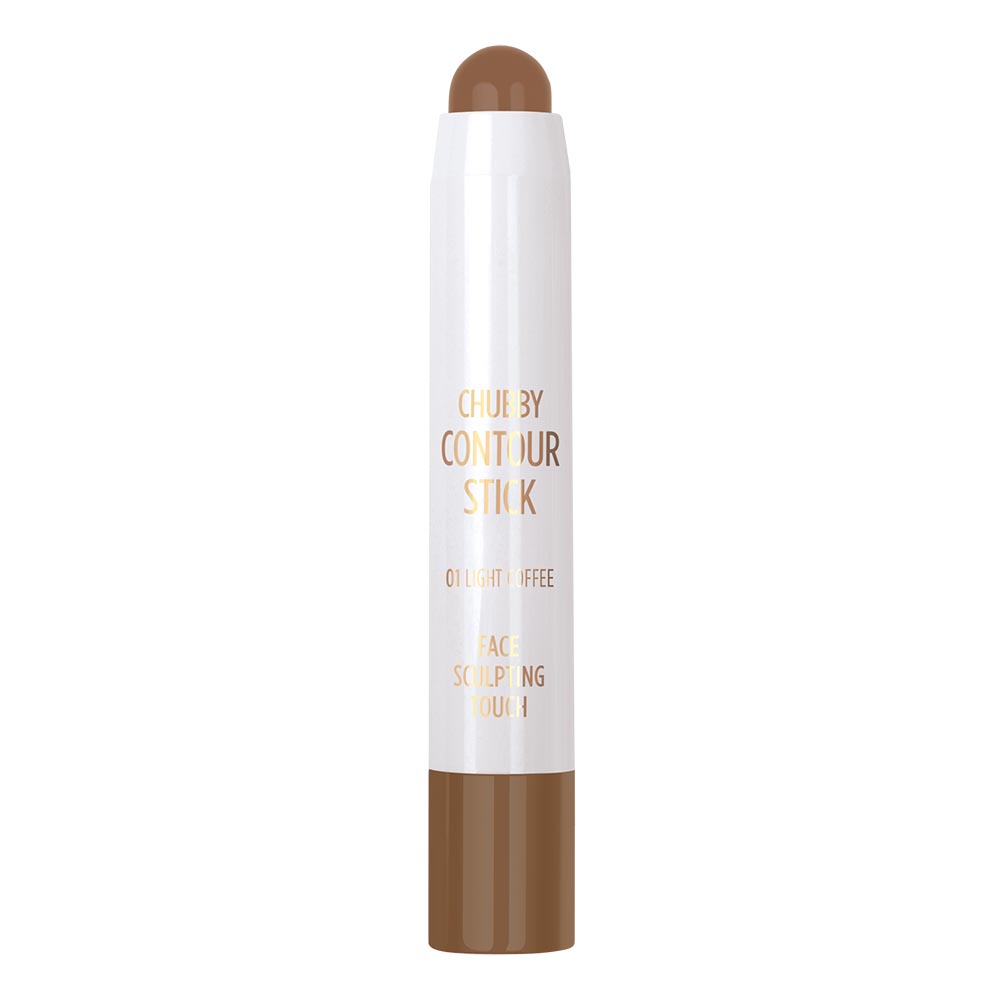 CHUBBY CONTOUR STICK GR
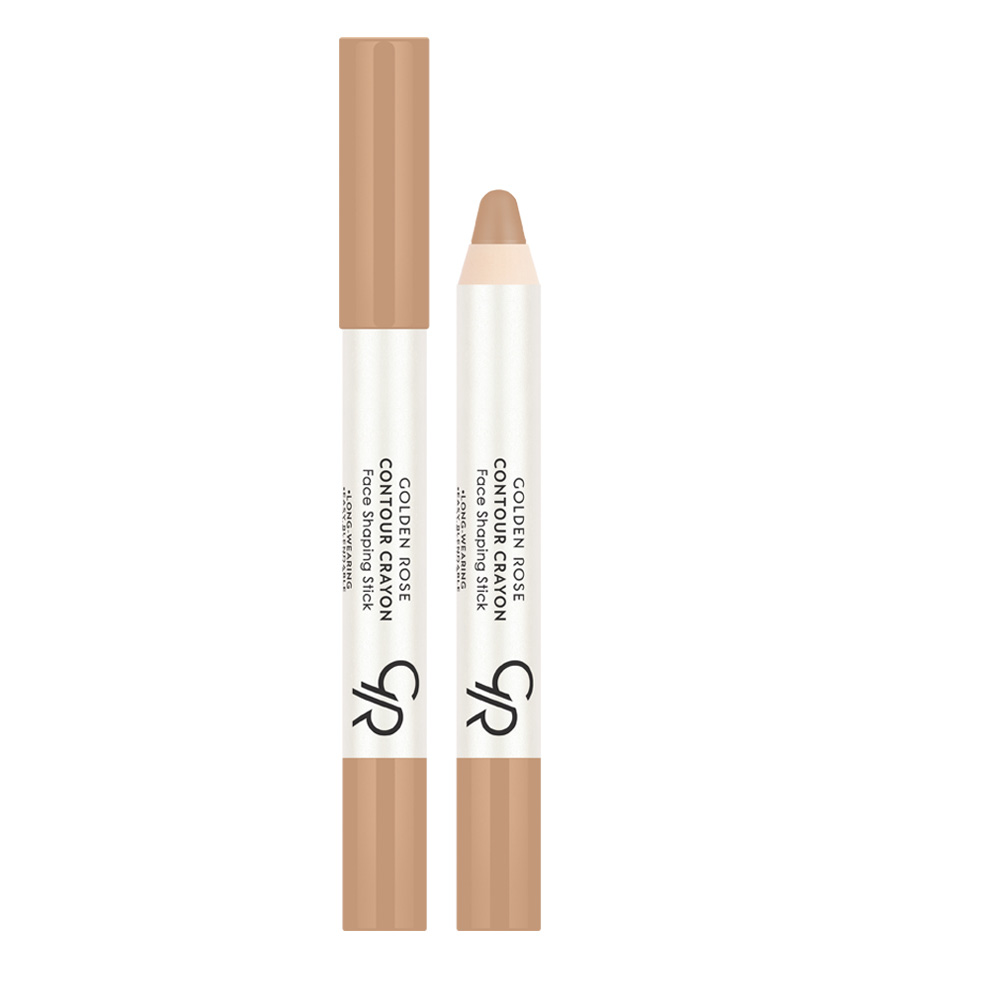 CONTOUR CRAYON GR
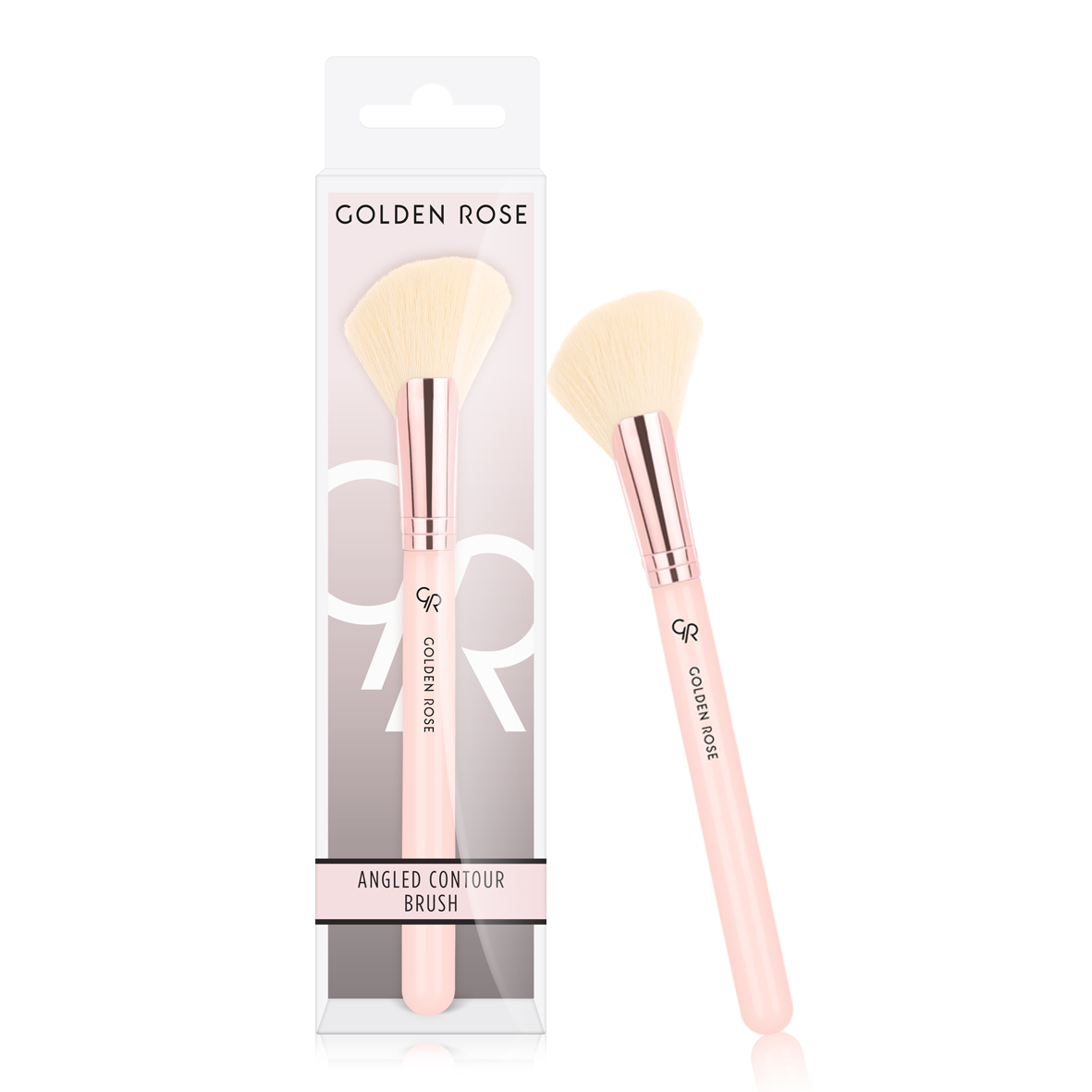 ANGLED CONTOUR BRUSH GR
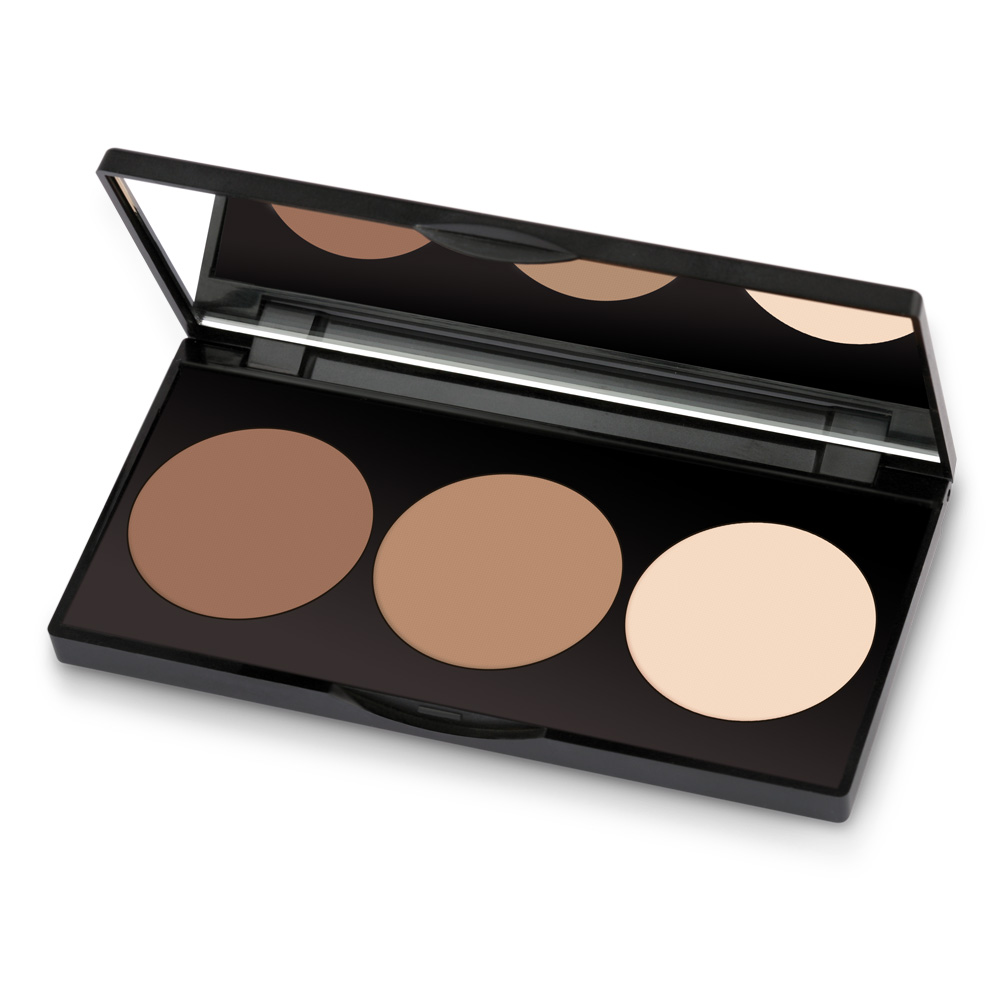 CONTOUR POWDER KIT GR